
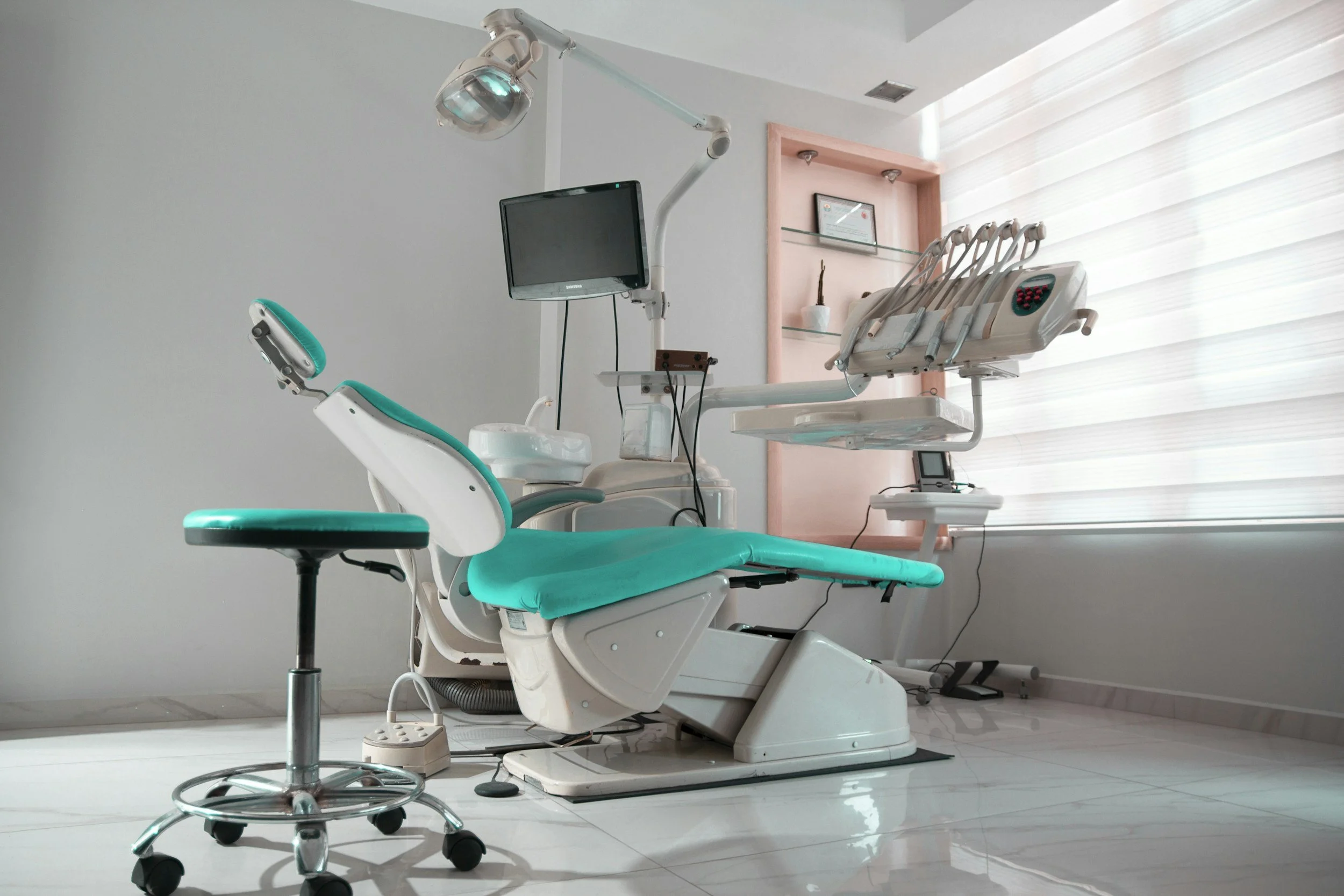
Professional Teeth Cleaning in Mississauga
Professional teeth cleaning removes plaque, hardened tartar and certain surface deposits from areas that may be difficult to clean effectively at home.
Dentistry on Britannia provides dental hygiene and professional cleaning appointments at 2258 Britannia Road West in Mississauga. The care required depends on the amount and location of buildup, gum condition, tooth sensitivity and individual oral-health history.
What Is Professional Teeth Cleaning?
Professional teeth cleaning removes plaque, hardened tartar and certain surface deposits from areas that may be difficult to clean effectively at home.
The amount of scaling, polishing, fluoride and other care depends on gum condition, buildup, sensitivity and individual oral-health findings.
A hygiene visit may also identify areas that need a separate dental examination, such as persistent bleeding, broken restorations, sensitivity or signs of decay.
Cleaning frequency is individualized rather than automatically scheduled at the same interval for every patient.
- Review dental-hygiene concerns
- Assess visible plaque and tartar
- Review gum condition
- Scale above and around the gumline
- Clean between teeth
- Polish when appropriate
- Provide oral-hygiene guidance
- Discuss future maintenance
- Refer for examination when needed
A professional cleaning and a dental examination are separate services, even when scheduled during the same visit.
A soft film that repeatedly forms on teeth
Plaque can collect along the gumline, between teeth and around restorations, braces and implant-supported dental work.
- Along the gumline
- Between teeth
- Around fillings and crowns
- Around braces and aligners
- Around implant restorations
- In difficult-to-brush areas
Daily brushing and interdental cleaning help remove plaque.
Hardened buildup requires professional removal
Tartar is mineralized buildup that generally cannot be removed effectively with an ordinary toothbrush.
Professional scaling is used to remove tartar from tooth surfaces above and, where appropriate, below the gumline.
- Along the gumline
- Between crowded teeth
- Behind lower front teeth
- Around crowns and fillings
- Around orthodontic appliances
- Near areas that are difficult to brush
The amount of tartar present can affect how much scaling time is required.
Routine, new-patient, orthodontic and implant hygiene
Cleaning needs vary according to buildup, gum health, dental appliances, restorations, implants and the time since the previous hygiene appointment.
Routine Professional Cleaning
Routine hygiene may be appropriate when plaque and tartar can be managed through preventive dental care.
- Plaque and tartar removal
- Scaling around the gumline
- Cleaning between teeth
- Polishing when appropriate
- Oral-hygiene guidance
- Future maintenance planning
Heavier buildup, gum inflammation, crowded teeth, braces, implants or a longer interval since the previous visit may require additional time.
The dental team can recommend an appropriate maintenance interval after reviewing the condition of the teeth and gums.
Book a Routine Teeth Cleaning →New-Patient Teeth Cleaning
A new-patient cleaning may be booked with a separate dental examination.
- Date of the previous cleaning
- Gum bleeding or sensitivity
- History of gum disease
- Dental implants
- Braces or aligners
- Pain or swelling
- Exam and cleaning preferences
- Private insurance or CDCP
If a separate dental examination is needed, the clinic can explain whether it can be completed during the same visit or should be scheduled separately.
Book a New-Patient Exam and Cleaning →Teeth Cleaning With Braces
Braces create additional surfaces where plaque and food deposits may collect.
- Brackets
- Wires
- Bands
- Gumlines
- Spaces between teeth
Professional hygiene can help remove deposits from areas that are difficult to reach with ordinary brushing around fixed orthodontic appliances.
Learn About Braces →Cleaning During Clear-Aligner Treatment
Clear aligners are removable, but both the teeth and trays require consistent cleaning throughout treatment.
- Clean teeth before reinserting aligners when practical
- Avoid placing aligners over food debris
- Clean around attachments carefully
- Attend hygiene visits
- Report gum bleeding or swelling
Regular hygiene visits also allow gum condition and plaque accumulation around attachments to be reviewed during orthodontic treatment.
Learn About Clear Aligners →Dental Implant Hygiene
Plaque can collect around implant restorations and surrounding gum tissue.
- Plaque around the restoration
- Gum bleeding or inflammation
- Food trapping
- Difficult-to-clean areas
- Implant-supported bridges or dentures
- Loose or damaged components
A loose implant component, pain or swelling requires assessment rather than being treated as a routine hygiene concern.
Learn About Dental Implants →Denture and Remaining-Teeth Hygiene
Patients with partial dentures must clean remaining natural teeth, gums and the appliance itself.
Patients with complete dentures still require oral-tissue assessment and proper appliance cleaning.
- Clean the denture as directed
- Clean remaining natural teeth carefully
- Clean the gums and tongue
- Report sore spots or poor fit
- Attend periodic oral-health assessments
Preventive hygiene and gum-health concerns
Bleeding or tender gums should not automatically be treated as a routine-cleaning issue. Further assessment may be required.
Cleaning does not replace diagnosis
- Significant tooth pain
- Persistent gum or facial swelling
- Uncontrolled bleeding
- A loose implant restoration
- A broken tooth or restoration
- One area of severe sensitivity
- Difficulty chewing
- Dental trauma
These concerns may require a dental examination or urgent care rather than a routine cleaning appointment.
Call for Urgent Dental CareWhat happens during professional teeth cleaning?
The exact process depends on buildup, gum condition, sensitivity, appliances, existing restorations and whether another concern is identified.
Review Dental and Medical Information
The team may ask about the previous cleaning, bleeding, sensitivity, pain, swelling, braces, implants, medications, nicotine use and coverage.
Assess Teeth and Gums
Plaque, tartar, gum redness, swelling, bleeding, restorations, appliances, implants and areas requiring examination may be reviewed.
Scaling
Scaling removes plaque and hardened tartar using hand instruments, ultrasonic equipment or a combination based on clinical judgment.
Clean Between Teeth
Floss or another suitable method may be used to clean contact areas that a toothbrush cannot effectively reach.
Polishing When Appropriate
Polishing may reduce selected surface stains or remaining deposits, but it does not chemically whiten teeth and may not be required at every visit.
Fluoride When Recommended
Fluoride may be recommended separately according to cavity risk, sensitivity, exposed roots, age, dry mouth, previous decay and other findings.
Oral-Hygiene Guidance
The team may discuss brushing, interdental cleaning, crowns, implants, braces, aligners, dentures and areas where plaque repeatedly accumulates.
Next-Step Recommendations
Recommendations may include future hygiene, a dental exam, periodontal assessment, cavity treatment, restoration assessment, referral or another next step.
Plan the Next Hygiene Visit
The recommended recall interval can be based on gum condition, tartar buildup, home-care effectiveness, braces, implants, medical factors and previous oral-health findings rather than one fixed schedule for everyone.
These are separate services
Dental Cleaning
- Plaque and tartar removal
- Surface-deposit removal
- Polishing where appropriate
- Oral-hygiene guidance
Dental Examination
- Teeth and gums
- Existing dental work
- Bite and symptoms
- Dental images where needed
- Conditions requiring diagnosis or treatment
Routine cleaning is not the same as gum-disease treatment
Preventive hygiene generally focuses on plaque and tartar removal as part of ongoing maintenance.
More extensive periodontal care may be considered when deposits are present in deeper areas around tooth roots and gum pockets.
- More extensive scaling
- Root planing
- Local anaesthetic
- Multiple appointments
- Periodontal measurements
- A different maintenance schedule
- Specialist referral
The clinic should verify exact periodontal services before advertising “deep cleaning” as a separate treatment.
Does Teeth Cleaning Hurt?
Comfort varies. Gum inflammation, heavy tartar, exposed roots, sensitivity, deposits below the gumline and dental anxiety may increase discomfort.
Cleaning should not be described as painless.
Can Gums Bleed During Cleaning?
Bleeding may occur when gum inflammation or another gum problem is present.
Regular, increasing, painful or unexplained bleeding should be assessed.
Why Are Teeth Sensitive After Cleaning?
Temporary sensitivity may occur when deposits are removed from exposed root surfaces, inflamed areas or teeth that were already sensitive.
Severe, worsening or one-tooth sensitivity should be reported.
Does cleaning remove stains?
Cleaning and polishing may reduce selected external stains from coffee, tea, tobacco, coloured foods, plaque and tartar.
Cleaning does not reliably change:
- Natural internal tooth colour
- Trauma-related darkening
- Medication-related discolouration
- Crown, filling or veneer colour
- Implant-crown colour
Cleaning may help, but it is not a guaranteed cure
Cleaning may reduce plaque, tartar and food deposits that contribute to some cases of unpleasant breath.
- Gum inflammation
- Tooth decay
- Dry mouth
- Tobacco use
- Dietary factors
- Dental infection
- Denture hygiene
- Other oral or medical causes
Persistent bad breath should be assessed to identify possible causes.
Professional hygiene does not replace daily oral care
Your dental team may adjust recommendations according to gums, restorations, braces, implants, dry mouth, sensitivity and individual risk.
- Brush twice daily using appropriate technique
- Clean between teeth each day
- Clean around crowns and implants carefully
- Follow braces or aligner-cleaning instructions
- Clean removable dentures as directed
- Replace a worn toothbrush or brush head
- Follow dry-mouth or sensitivity recommendations
- Limit tobacco or nicotine use
- Attend examinations based on assessed needs
- Attend hygiene visits based on assessed needs
Free electric toothbrush for eligible new patients
New patients may qualify for a free electric toothbrush after completing an eligible new-patient dental examination and professional cleaning. Conditions and availability apply.
Published terms should explain eligibility, required services, timing, image fees, private-insurance and CDCP eligibility, combination rules, product availability and offer dates.
Teeth-cleaning costs, insurance and CDCP
Cleaning fees vary because scaling time, gum condition, polishing, fluoride, examination requirements and periodontal needs differ between patients.
Teeth-Cleaning Costs
Cost may depend on scaling units, appointment length, gum condition, polishing, fluoride, examination, images and periodontal care.
- Scaling units
- Polishing
- Fluoride
- Dental examination
- Dental images
- Gum assessment
- Additional periodontal care
- Follow-up appointments
Direct Insurance Billing
Dentistry on Britannia provides direct insurance billing for eligible claims.
- Number of scaling units
- Frequency limits
- Annual benefit maximum
- Polishing and fluoride limits
- Deductible and co-payment
- Remaining benefits
- Periodontal-treatment coverage
Direct billing does not guarantee full payment. Patients remain responsible for amounts not paid by their insurer.
Ask About Insurance Coverage →CDCP Coverage for Teeth Cleaning
Dentistry on Britannia accepts eligible CDCP patients. Scaling, eligible polishing and fluoride may be covered within current program limits.
- Polishing: one-half unit in any 12 months
- Topical fluoride generally once in 12 months for patients aged 17 and older
- Younger patients may qualify more frequently
- Scaling and root-planing limits depend on approved units and history
- Additional treatment may require preauthorization
- Government-required co-payments may apply
Professional hygiene on Britannia Road West
New patients can schedule cleaning alone or request a combined examination and cleaning appointment.
2258 Britannia Road West
Mississauga, Ontario L5M 2G8
Find the appropriate next service
Teeth-cleaning questions answered
Professional teeth cleaning removes plaque, hardened tartar and certain surface deposits using dental instruments.
Scaling is the professional removal of plaque and tartar from tooth surfaces above or below the gumline.
No. Cleaning removes deposits. A dental examination assesses teeth, gums, dental work, symptoms and other oral-health findings.
No. Polishing may be provided when appropriate, but it is not automatically necessary during every appointment.
No. Fluoride may be recommended separately based on age, cavity risk, sensitivity and other clinical factors.
Yes. Professional scaling is used to remove hardened tartar that cannot normally be removed with an ordinary toothbrush.
Cleaning may remove selected surface stains, but it does not chemically whiten or change every type of discolouration.
Cleaning may help when plaque, tartar or food deposits contribute to the problem, but persistent bad breath may have other oral or medical causes.
Comfort varies. Gum inflammation, sensitivity, exposed roots and heavy tartar buildup may cause temporary discomfort.
Bleeding may occur when gum tissue is already inflamed or deposits are present around the gumline. Persistent bleeding should be assessed.
Removal of deposits may temporarily expose sensitive tooth or root surfaces. Significant or persistent sensitivity should be reported.
The schedule depends on gum health, tartar buildup, dental history, medical factors, braces, implants and other individual needs.
No. Six months is common, but one interval is not appropriate for every patient.
Routine cleaning is preventive maintenance. “Deep cleaning” usually refers to more extensive periodontal treatment after gum assessment.
The clinic confirms professional dental hygiene. Its exact periodontal services should be verified before scaling and root planing are advertised separately.
They may be scheduled together depending on availability and the amount of care needed. Confirm what is included when booking.
Many plans include some preventive coverage, but scaling units, frequency limits, deductibles and co-payments vary.
Eligible scaling may be covered by CDCP, subject to program limits and possible preauthorization.
Eligible polishing is currently limited to one-half unit in any 12 months.
Cost depends on scaling time, gum condition, polishing, fluoride, examination requirements and available coverage.
Yes. New patients are welcome for dental hygiene and other confirmed services.
Eligible new patients may receive a free electric toothbrush after completing a qualifying new-patient examination and professional cleaning. Conditions apply.
Yes. Dentistry on Britannia is open Saturday and Sunday from 8:00 a.m. to 5:00 p.m.
Routine dental hygiene, new-patient cleaning or cleaning during orthodontic care?
New patients are welcome. Ask about the electric-toothbrush offer available after an eligible new-patient examination and professional cleaning.
Appointment length, treatment provided, cleaning frequency, costs and coverage depend on individual oral-health needs.
Dentistry on Britannia
-
Address:
2258 Britannia Road West, Mississauga, Ontario L5M 2G8 -
Phone:
(905) 821-8632 -
Email:
dentistrybritannia@gmail.com - Monday to Thursday: 7:00 a.m.–7:00 p.m.
- Friday: 7:00 a.m.–5:00 p.m.
- Saturday and Sunday: 8:00 a.m.–5:00 p.m.