
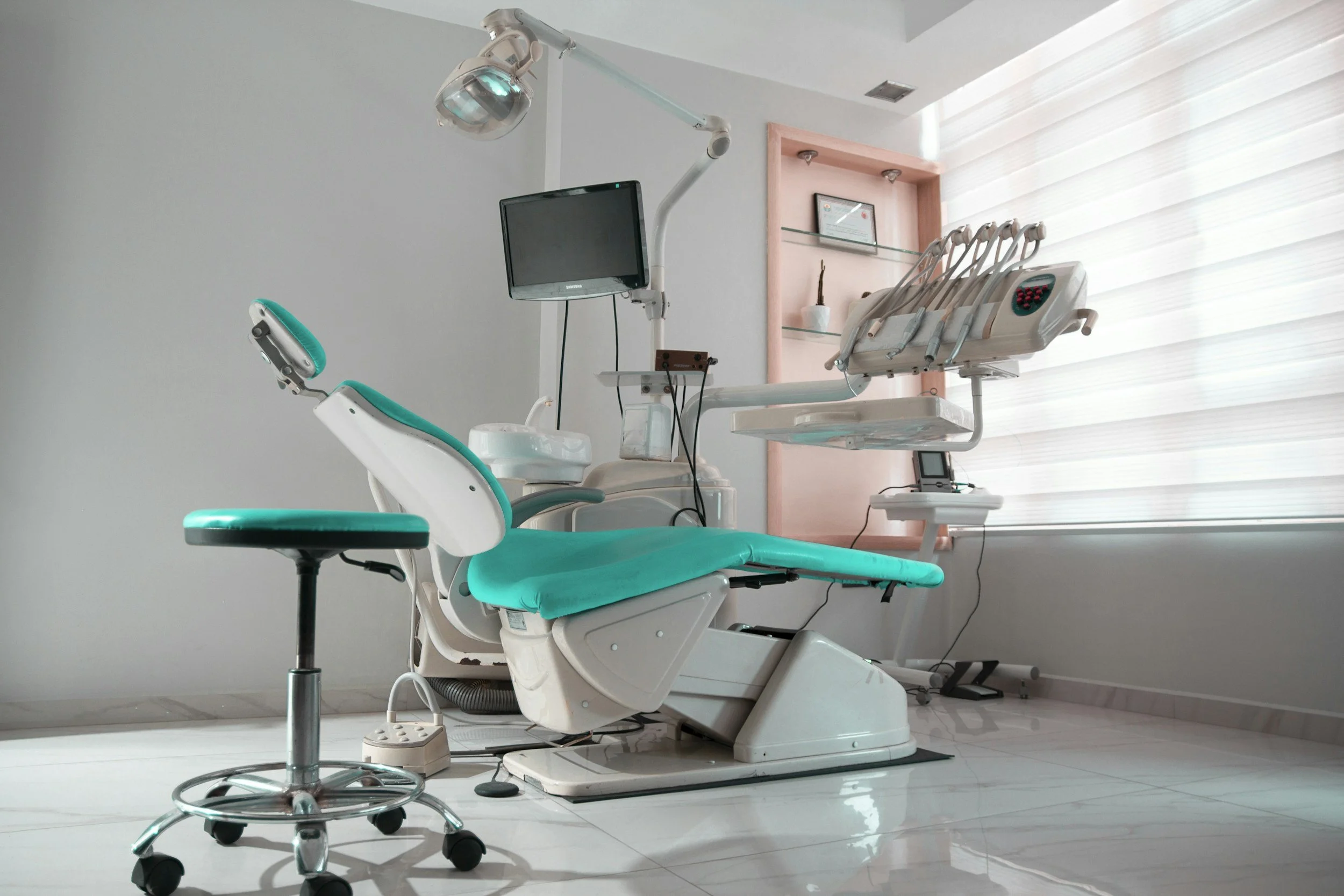
Dental Braces in Mississauga
Dental braces use fixed brackets, wires and other orthodontic components to move teeth gradually according to an individualized treatment plan.
Dentistry on Britannia provides braces assessments and treatment at 2258 Britannia Road West in Mississauga.
An assessment is required to determine whether braces are suitable for your teeth, bite, supporting tissues, oral health and treatment goals.
What Are Dental Braces?
Dental braces are fixed orthodontic appliances that use brackets, wires and other components to move teeth gradually according to an individualized treatment plan.
Dentistry on Britannia confirms braces treatment, but metal, ceramic, self-ligating and lingual systems should not be presented as available unless each appliance is verified.
- Brackets attached to selected teeth
- An archwire connecting the brackets
- Elastic or metal ties where required
- Bands on selected teeth where required
- Orthodontic elastics in some treatment plans
- Regular progress appointments
- Careful home cleaning
- Retainers after active treatment
An assessment is required to determine whether braces are suitable for your teeth, bite, supporting tissues, oral health and treatment goals.
Ask about $500 off eligible braces treatment
Eligible patients may qualify for a $500 discount on braces treatment. Assessment, treatment acceptance and promotion conditions apply.
Complete offer terms should identify the eligible braces type, dates, restrictions, combination rules and treatment-start requirements.
What can braces potentially treat?
Braces may be considered for selected alignment and bite concerns, but the presence of one condition does not automatically mean braces are required.
Concerns Braces May Address
- Crowded teeth
- Crooked teeth
- Rotated teeth
- Spaces between teeth
- Teeth shifted after previous treatment
- Selected overbite concerns
- Selected underbite concerns
- Selected crossbite concerns
- Selected open-bite concerns
- Selected deep-bite concerns
What Determines Suitability?
- Severity of the condition
- Tooth and root position
- Jaw relationship
- Gum and bone support
- Missing teeth
- Tooth development
- Existing fillings and crowns
- Oral hygiene
- Age and growth
- Previous orthodontic treatment
- Treatment goals
- Need for specialist care
Book an assessment before choosing an appliance
You do not need to decide that braces are the correct option before booking.
Active dental problems may need care first
- Untreated tooth decay
- Active gum inflammation
- Dental infection
- Broken teeth
- Loose or damaged fillings
- Loose crowns
- Poor oral hygiene
- Significant gum or bone concerns
- A tooth with an uncertain prognosis
A dental examination, cleaning, fillings, restoration repair, tooth removal, gum treatment or specialist assessment may be recommended first.
Only advertise appliance systems the clinic has confirmed
Traditional Metal Braces
Traditional braces use brackets and wires fixed to the teeth.
- Fixed treatment
- Can support many tooth movements
- Provider-controlled wire adjustments
- Require careful brushing and flossing
- May involve food restrictions
- Can develop broken-bracket or wire problems
The clinic should verify that traditional metal braces are the exact system offered before metal-specific claims are published throughout the live page.
Ceramic or Clear Fixed Braces
Ceramic braces use less noticeable brackets but remain fixed appliances with wires and other components.
- Bracket visibility
- Breakage risk
- Staining around ties
- Cost
- Cleaning requirements
Do not advertise ceramic, tooth-coloured or porcelain braces until confirmed.
Self-Ligating Braces
Self-ligating braces use a bracket mechanism to hold the archwire without conventional elastic ties.
Damon braces and other self-ligating systems should not be advertised until verified.
Lingual Braces
Lingual braces are placed on the tongue-facing surfaces of teeth and require specialized assessment, appliance design and provider experience.
Do not market hidden, behind-the-teeth or lingual braces unless confirmed.
Fixed and removable orthodontic systems
Dental Braces
- Brackets and wires remain attached
- Do not depend on remembering daily wear
- Require cleaning around fixed components
- May involve food restrictions
- Remain visible
- May offer different mechanical control
Invisalign
- Removable trays
- Require consistent wear
- Usually removed for eating
- Require cleaning of teeth and aligners
- May use attachments and elastics
- May not suit every orthodontic problem
Neither Is Universally Better
The appropriate option depends on required movement, bite, complexity, oral health, patient responsibilities, appearance preferences, cost and provider recommendation.
What happens before treatment is recommended?
The dentist reviews your concerns, oral health, tooth position, bite, diagnostic records, treatment options and financial considerations.
Discuss Your Concerns
The dentist may ask which teeth concern you, whether chewing or bite problems are present, whether teeth shifted and whether you prefer braces or Invisalign.
Dental and Medical History
Previous orthodontic care, tooth removal, crowns, fillings, missing teeth, gum history, trauma, jaw concerns, grinding and health information may be reviewed.
Examination of Teeth and Gums
Tooth position, crowding, spacing, bite, wear, gums, restorations, missing teeth, development, oral hygiene and jaw movement may be assessed.
Diagnostic Records
Planning may involve photographs, X-rays, impressions, digital scans, bite records or other diagnostic information according to clinical need.
Treatment Discussion
The dentist should explain whether braces are appropriate, whether Invisalign is an option, whether referral is needed and which appliance is proposed.
Costs and Responsibilities
The discussion should include estimated duration, progress visits, retainers, promotion eligibility, private insurance and expected patient responsibilities.
Why a dental examination and records are important
Moving teeth without an appropriate examination and diagnostic information may overlook concerns involving roots, gums, bone, decay, restorations or other oral structures.
What happens during braces treatment?
The exact process and appointment schedule depend on the appliance, treatment plan, tooth movement and patient progress.
Treatment Planning
The provider reviews records and plans tooth movement, bite management, appliance type, space creation, elastics, duration and retention.
Preparation of the Teeth
Teeth may be cleaned and prepared. Cavities, gum inflammation or damaged restorations may require treatment first.
Bracket Placement
Brackets are attached to selected teeth using dental bonding material.
Archwire Placement
An archwire is placed through or within the brackets to help apply planned forces.
Ties, Clips or Other Components
The wire may be held by elastic ties, metal ties, bracket clips or another component.
Initial Instructions
The team explains brushing, cleaning between teeth, food precautions, discomfort, broken components, elastics and the next appointment.
Progress Appointments
Visits may assess movement, brackets, wires, elastics, bite, oral hygiene and whether the treatment plan needs adjustment.
Braces Removal
When active treatment is complete, brackets and wires are removed, bonding material is cleaned and retention planning is completed.
Retention
Retainers help maintain the new tooth positions after braces are removed.
Brackets
Brackets are attached to teeth and provide points through which orthodontic forces are applied.
Archwires
Archwires connect the brackets and help guide tooth movement according to the treatment plan.
Orthodontic Elastics
Some patients are prescribed elastics to support selected tooth or bite movements. Not every patient requires them.
- Wear exactly as instructed
- Replace according to instructions
- Do not double elastics
- Do not change the attachment pattern
- Report broken hooks
Does Getting Braces Hurt?
Pressure, tooth tenderness, biting sensitivity, cheek irritation, lip irritation and jaw fatigue may occur.
Braces treatment should not be described as painless.
How Long Does Treatment Take?
There is no universal timeline. Complexity, growth, oral hygiene, attendance, appliance breakage, elastic wear and biological response affect duration.
Treatment should not be promised by a specific event or fixed time period.
How Often Are Braces Adjusted?
The appointment schedule is individualized and should not be represented as identical for every patient.
Adults, teenagers and children require individualized assessment
Adult Braces
Adults may be considered when teeth, gums and supporting structures are suitable.
- Crowns and fillings
- Missing teeth
- Dental implants
- Gum recession
- Bone support
- Previous orthodontic treatment
Teen Braces
Suitability may depend on:
- Tooth eruption
- Bite development
- Jaw growth
- Oral hygiene
- Treatment needs
- Appointment attendance
- Ability to follow instructions
Developing Bite Concerns
Some children may require monitoring, early treatment or specialist referral.
Phase 1 orthodontics, palatal expansion, growth modification and other child-specific services should not be advertised unless confirmed.
Do not use “orthodontist” unless specialist status is verified
The current public clinic information confirms braces and Invisalign treatment but does not identify a registered orthodontic specialist.
Safe wording: Our dental team provides braces assessments and treatment planning. Complex cases may be referred to or coordinated with an orthodontic specialist when appropriate.
Fixed appliances require careful daily hygiene
Plaque and food can collect around brackets, wires, bands, gumlines and spaces between teeth.
- Brush above and below brackets
- Clean bracket surfaces
- Brush chewing surfaces
- Pay attention to the gumline
- Clean around wires
- Clean between teeth daily
- Use recommended flossing aids
- Replace worn brushes or brush heads
- Attend professional hygiene appointments
- Report persistent bleeding or swelling
Flossing aids may be required
- Floss threaders
- Interdental brushes
- Orthodontic floss
- Water-flossing devices
- Other suitable tools
No one tool should be presented as a complete replacement for all other home care.
Book Professional Teeth Cleaning →Reduce the risk of damaged brackets and wires
- Hard candy
- Ice
- Popcorn kernels
- Hard nuts
- Sticky candy
- Chewing gum
- Very hard crusts
- Biting directly into hard foods
- Chewing pens or other objects
Instructions may vary according to the appliance.
Sports With Braces
A suitable orthodontic sports mouthguard may be recommended for contact or collision activities.
Do not use a poorly fitting ordinary mouthguard over braces without professional advice.
Musical Instruments
Wind and brass players may notice lip irritation, bracket pressure, changes in embouchure or temporary playing difficulty.
Orthodontic Wax
Wax may temporarily cover a bracket or wire that irritates the lips or cheeks. It does not repair broken components or treat infection.
Broken brackets, loose wires and urgent concerns
Contact the clinic for guidance. Appointment urgency depends on symptoms, appliance stability, trauma and treatment stage.
Broken Bracket
- Contact the clinic
- Avoid playing with the bracket
- Keep it attached to the wire if stable
- Use wax if instructed
- Avoid hard foods
- Report pain or trauma
- Do not glue it at home
Loose or Poking Wire
- Contact the clinic
- Use wax only as temporary protection when instructed
- Do not pull the wire
- Do not remove a major component
- Do not use household glue
- Do not delay care when tissue injury is significant
Lost Elastic or Tie
The clinic should determine whether the wire remains stable and whether the component needs prompt replacement.
Do not attach household elastic bands to braces.
Urgent Braces-Related Care
- Significant pain
- Facial or gum swelling
- Dental trauma
- Displaced tooth
- Uncontrolled bleeding
- Wire causing tissue injury
- Loose appliance after trauma
- Swallowed or inhaled component
Cavities During Treatment
Braces do not directly cause cavities, but plaque can collect around brackets and wires when cleaning is inadequate.
Learn About Dental Fillings →Gum Problems
Plaque buildup may contribute to redness, bleeding, swelling, tenderness and difficulty cleaning. Treatment may need to pause when supporting tissues are unhealthy.
White Marks Around Brackets
Enamel changes may develop when plaque repeatedly remains around bracket margins. Not every white mark can be removed after treatment.
Will teeth need to be removed?
Extraction is not necessary for every patient. The decision may depend on:
- Amount of crowding
- Tooth position
- Facial and jaw relationships
- Tooth condition
- Existing missing teeth
- Treatment goals
- Alternative approaches
Do not promise extraction-free braces for every patient.
Other methods may be considered
- Using existing spaces
- Selected tooth movement
- Expansion within appropriate limits
- Limited enamel reduction
- Another clinically justified method
Any procedure should be explained and consented to before treatment.
Retainers help maintain tooth positions
Teeth can shift after braces are removed. Retention is part of orthodontic treatment.
- Removable clear retainers
- Removable wire-and-acrylic retainers
- Fixed retainers
- Another provider-selected design
- Ask whether the first retainer is included
- Ask how long it must be worn
- Ask whether replacements are included
- Ask how it should be cleaned
- Report a retainer that stops fitting
- Do not force an old retainer onto shifted teeth
No braces result can be guaranteed
- Tooth tenderness
- Gum or cheek irritation
- Cavities
- Enamel changes
- Gum inflammation or recession
- Root changes
- Unwanted tooth movement
- Bite changes
- Broken components
- Longer treatment than estimated
- Need for additional appliances
- Need for specialist referral
- Relapse after treatment
- Need for retreatment
Braces costs, private insurance and CDCP
Cost depends on appliance type, complexity, arches, records, appointments, additional appliances, retainers and insurance.
Braces Costs
Ask whether the estimate includes:
- Initial assessment
- Dental images
- Photographs
- Impressions or scans
- Treatment planning
- Brackets and wires
- Progress appointments
- Emergency orthodontic repairs
- Elastics and additional appliances
- Braces removal
- Retainers and retention visits
Direct Insurance Billing
Orthodontic coverage may involve:
- Percentage reimbursement
- Lifetime orthodontic maximum
- Age restrictions
- Waiting periods
- Predetermination
- Instalment-based reimbursement
- Dependant-only coverage
- Separate record or retainer benefits
Direct billing does not guarantee approval or full payment.
CDCP Does Not Currently Cover Braces
Dentistry on Britannia accepts CDCP for eligible covered dental services, but braces and other orthodontic services are not currently available through CDCP coverage.
- Current braces coverage is not available
- Current Invisalign coverage is not available
- Future orthodontic coverage is expected to be limited
- Future requests are expected to require preauthorization
- The $500 braces offer is separate from CDCP
Braces assessments on Britannia Road West
New patients can compare braces and Invisalign without already knowing which treatment is appropriate.
2258 Britannia Road West
Mississauga, Ontario L5M 2G8
Find the appropriate orthodontic or oral-health service
Dental braces questions answered
Dental braces are fixed orthodontic appliances that use brackets, wires and other components to move teeth gradually.
Yes. Braces treatment is listed among the clinic’s confirmed services.
Braces may be considered for selected crowding, spacing, rotated teeth and bite concerns. Suitability depends on individual assessment.
No. Children, teenagers and adults may be considered depending on development, oral health and treatment needs.
The clinic confirms braces treatment, but the exact bracket system should be verified before metal braces are advertised as the specific appliance.
Ceramic fixed braces have not yet been confirmed and should not be advertised until verified.
No. Clear braces are fixed brackets and wires. Invisalign uses removable clear aligners.
The dentist reviews tooth position, bite, oral health, history and diagnostic records before discussing treatment options.
Diagnostic images may be recommended according to clinical need to assess teeth, roots and supporting structures.
Active decay or damaged restorations may need treatment before brackets are placed.
Brackets are bonded to teeth and an archwire connects them. Additional ties, elastics or components may be used.
Pressure, tooth tenderness and soft-tissue irritation may occur. Braces should not be described as painless.
Duration depends on complexity, movement, growth, oral hygiene, appointment attendance and appliance care.
The appointment schedule is individualized for each treatment plan.
The provider may advise avoiding hard, sticky or chewy foods that can damage brackets and wires.
Brush above, below and around brackets and wires, clean the gumline and use additional cleaning aids as recommended.
Yes. A floss threader, orthodontic floss, interdental brush or another tool may be recommended.
Contact the clinic, avoid hard foods and do not glue the bracket yourself. Appointment urgency depends on symptoms and treatment stage.
Contact the clinic. Orthodontic wax may provide temporary protection, but professional adjustment may be required.
Often yes, but an orthodontic sports mouthguard may be recommended for contact or collision sports.
Braces do not directly cause cavities, but plaque can collect around brackets when cleaning is inadequate.
Some treatment plans involve extraction, while others do not. The decision depends on crowding, tooth position, bite and treatment goals.
Yes. Retainers are normally required to help maintain tooth positions.
Yes. Teeth can shift, especially when retainers are not worn as prescribed.
Neither is universally better. The correct option depends on diagnosis, treatment requirements and patient responsibilities.
Some plans include orthodontic benefits, but percentages, age limits, waiting periods and lifetime maximums vary.
Not currently. Orthodontic services are not presently available through CDCP coverage.
Cost depends on appliance type, complexity, records, duration, appointments, additional appliances and retainers.
Yes. The clinic has confirmed $500 off eligible braces treatment. Assessment and offer conditions apply.
Yes. The clinic is open Saturday and Sunday from 8:00 a.m. to 5:00 p.m.
Compare fixed braces, Invisalign and appropriate orthodontic options
New patients are welcome. Direct insurance billing is available for eligible private orthodontic claims.
Braces suitability, appliance type, treatment duration, progress appointments, retainers and cost depend on individual assessment.
Dentistry on Britannia
-
Address:
2258 Britannia Road West, Mississauga, Ontario L5M 2G8 -
Phone:
(905) 821-8632 -
Email:
dentistrybritannia@gmail.com - Monday to Thursday: 7:00 a.m.–7:00 p.m.
- Friday: 7:00 a.m.–5:00 p.m.
- Saturday and Sunday: 8:00 a.m.–5:00 p.m.