
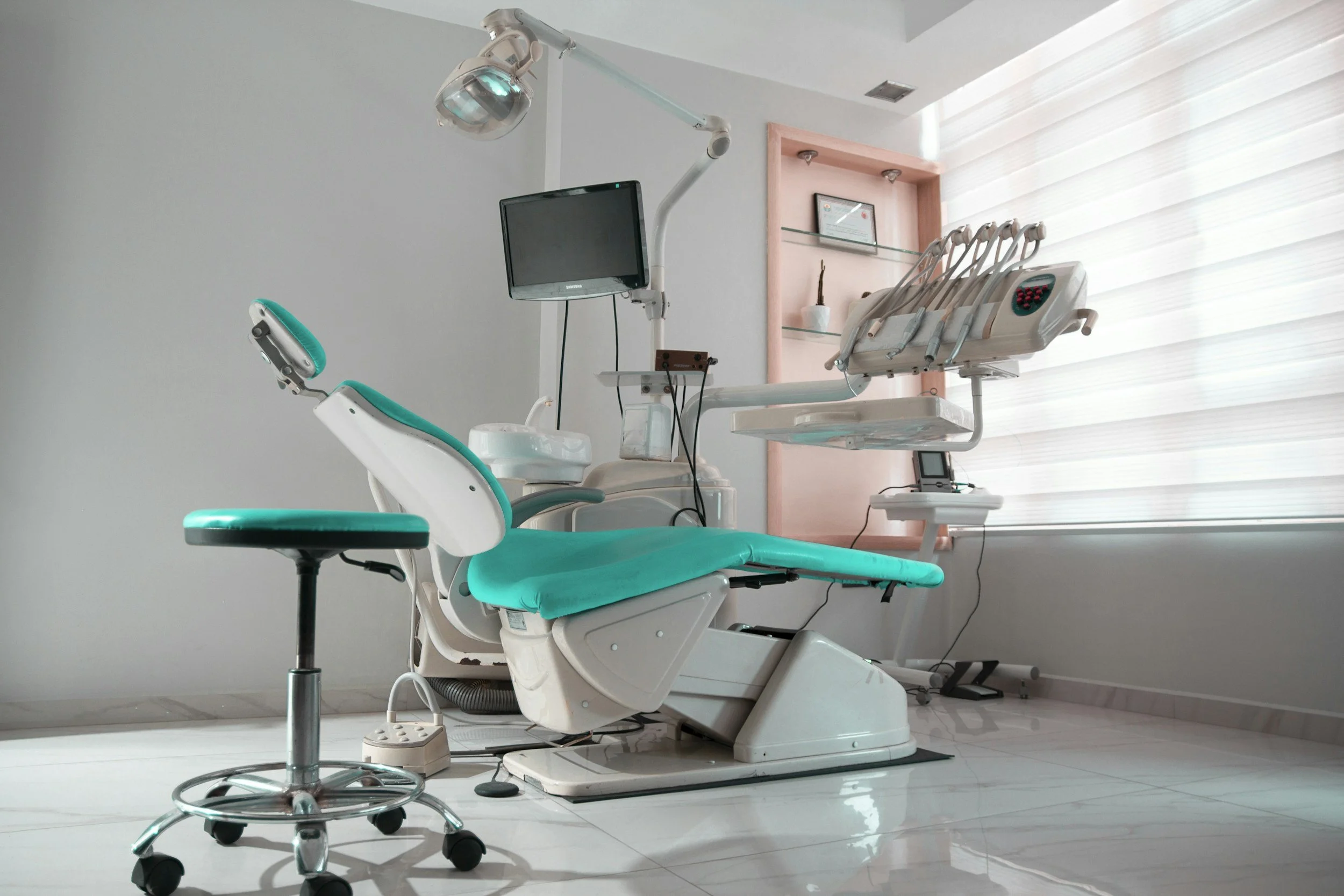
Dental Exams and Checkups in Mississauga
A dental examination allows a dentist to assess your teeth, gums, bite, existing dental work and other relevant areas of your mouth.
Dentistry on Britannia provides new-patient, routine, specific and urgent dental examinations at 2258 Britannia Road West in Mississauga.
The type of examination and diagnostic information recommended will depend on your symptoms, dental history, general health and individual oral-health needs.
What Is a Dental Examination?
A dental examination is a professional assessment of your teeth, gums, bite, existing dental work and other relevant areas of your mouth.
The examination type and diagnostic information recommended depend on your symptoms, history, oral-health findings and individual needs.
A checkup may also identify areas that need monitoring, preventive care or a separate treatment appointment.
Patients should tell the dental team about new pain, swelling, sensitivity, broken dental work or changes since the previous visit.
- Teeth and gums
- Existing fillings and crowns
- Root-canal-treated teeth
- Missing teeth and dental implants
- Bite and tooth alignment
- Dentures and dental appliances
- Jaw movement
- Visible soft tissues
- Pain or sensitivity
- Relevant diagnostic images
The dentist should explain findings, areas requiring monitoring, reasonable treatment options and next steps.
New-patient, routine, specific and emergency examinations
The correct appointment type depends on whether the visit is establishing a full baseline, reviewing changes, assessing one concern or responding to an urgent problem.
Complete New-Patient Dental Examination
A complete examination creates a broader starting record of your oral health and may require more time than a routine checkup.
- Review of your main concerns
- Dental and medical history
- Medication review
- Examination of teeth and existing dental work
- Gum and bite assessment
- Jaw-joint and visible soft-tissue review where relevant
- Dental images when clinically required
- Discussion of findings and initial recommendations
Routine or Recall Dental Examination
A routine examination reviews changes since a previous dental visit.
- Teeth being monitored
- New cavities or damaged areas
- Existing fillings and crowns
- Gum condition
- Tooth wear and sensitivity
- Bite changes
- Previous treatment recommendations
- Whether new diagnostic images are needed
A routine examination is not identical to professional cleaning.
The dentist may also review whether previously monitored areas have changed and whether treatment is now recommended.
Book a Routine Dental Checkup →Specific or Problem-Focused Examination
A specific examination focuses on one dental concern and may not replace a complete or routine dental exam.
- Tooth pain or temperature sensitivity
- Pain when biting
- A chipped tooth or broken filling
- A loose crown
- Gum swelling or bleeding
- A bite change
- Denture or implant-restoration concerns
- A braces, aligner or darkened-tooth concern
A focused examination may lead to treatment, monitoring, diagnostic images or referral depending on the finding.
Book an Assessment for a Dental Concern →Emergency Dental Examination
An emergency examination focuses on an urgent dental problem. Appointment timing depends on symptoms, clinical priority and availability.
- Significant tooth pain
- Increasing dental swelling
- Dental trauma or a knocked-out tooth
- A broken tooth
- Uncontrolled oral bleeding
- A lost restoration causing pain
- Another urgent dental concern
The immediate goal is to assess the cause, reduce risk and determine the safest next step based on the condition found.
Call for Urgent Dental Care →You do not need to know which treatment you require
Tell the dental team what prompted your appointment so the appropriate examination can be arranged.
Do not wait for a routine visit when symptoms are worsening
- Persistent tooth pain
- Increasing sensitivity
- Pain when chewing
- Gum or facial swelling
- A broken tooth or lost filling
- A loose or lost crown
- Dental trauma
- New or unexplained bleeding
- A permanent tooth that moves
- A loose implant restoration
- An oral area that is not resolving
- Difficulty opening the mouth
- A sudden bite change
Call 911 or seek hospital emergency care if swelling affects breathing or swallowing, serious facial trauma has occurred or bleeding cannot be controlled.
An assessment based on the reason for your visit
The exact process varies by examination type, symptoms, dental history, existing work and the diagnostic information needed.
Main Concern
The team asks why you booked, whether pain, swelling or bleeding is present, when symptoms began and whether they are worsening.
Dental and Medical History
Current medications, allergies, health conditions, previous surgeries, tobacco use, dental complications and anxiety may affect planning.
Examination of the Teeth
The dentist may assess visible decay, cracks, fractures, wear, restorations, missing teeth, tooth position, sensitivity and other changes.
Gum Assessment
The dental team may review gum redness, swelling, bleeding, recession, tenderness, plaque, tartar and areas requiring further periodontal assessment.
Existing Dental Work
Fillings, crowns, root-canal-treated teeth, dentures, bridges, implants, braces, aligners and retainers may be assessed.
Bite and Jaw Review
Where relevant, the dentist may assess tooth contact, wear, clenching or grinding signs, jaw movement and jaw-joint tenderness.
Visible Soft Tissues
The dentist may inspect visible areas of the tongue, cheeks, lips, roof and floor of the mouth, gums and other tissues.
Diagnostic Images
X-rays or other records may be recommended when they are likely to provide useful information not visible during the clinical examination.
Findings and Next Steps
The dentist explains relevant findings, areas to monitor, treatment options, preventive recommendations and whether another appointment or referral is appropriate.
An examination cannot guarantee that every oral disease will be identified
If an unusual area is found, monitoring, additional testing or referral may be recommended. Patients should ask questions about findings, diagnoses or proposed treatment they do not understand.
How often should you have a dental exam?
There is no single interval appropriate for every patient. Follow the schedule recommended after your individual oral-health assessment.
- Previous cavities
- Gum condition
- Existing dental work
- Dry mouth
- Medical conditions
- Medications
- Smoking or nicotine use
- Tooth development
- Dental implants
- Braces or Invisalign
- Oral-hygiene effectiveness
- Previous tooth loss
- Current treatment
- Other clinical risk factors
Prepare for your first appointment
New patients are welcome. Tell the clinic what prompted the appointment and whether you are requesting an examination, cleaning or both.
When Booking
- Your main concern
- Whether symptoms are present
- Approximate date of your last dental visit
- Whether you want an exam, cleaning or both
- Whether recent images are available
- Private insurance or CDCP information
- Preferred appointment time
What to Bring
- Identification
- Insurance information
- CDCP information where applicable
- Current medication list
- Relevant medical information
- Previous records or images when available
- Information about your main concern
Transferring Previous Records
Previous records may help the dentist understand earlier diagnoses, areas being monitored, existing treatment, previous images, past complications and dates of major restorations.
Contact your previous dental office about its records-transfer process where appropriate.
Free electric toothbrush for eligible new patients
New patients may qualify for a free electric toothbrush after completing an eligible new-patient dental examination and professional cleaning. Conditions and availability apply.
Published terms should explain eligibility, required exam and cleaning services, timing, image fees, insurance and CDCP eligibility, combination with other promotions, product availability and offer dates.
Different findings lead to different next steps
An examination does not obligate the patient to accept proposed treatment. The dentist should explain the finding, available options, limitations, process and estimated costs.
Dental exam and checkup questions answered
A dental checkup is an examination in which a dentist assesses your teeth, gums, existing dental work, bite and other relevant areas of your mouth.
A complete examination establishes a broader record of oral health. A routine or recall examination reviews changes since a previous visit.
No. A dental exam assesses oral health. Professional cleaning removes plaque, tartar and certain surface deposits.
They may be scheduled together when availability and required care allow. Confirm what is included when booking.
No. Dental images should be recommended according to clinical need, symptoms, history and previous records.
The examination interval should be based on individual oral and general health factors rather than one schedule for every patient.
A checkup may still be appropriate because some dental conditions can develop without noticeable early symptoms.
A routine visual examination is generally non-surgical, but sensitivity or discomfort may occur when an area is already painful or inflamed. A painless visit should not be promised.
The dentist reviews your concerns, dental and medical history, medications, teeth, gums, existing dental work and other relevant findings. Images may be recommended where appropriate.
Bring identification, insurance or CDCP information, a medication list, relevant medical details and previous dental records where available.
A dentist may inspect visible tissues for unusual changes. An examination cannot guarantee detection or confirm a diagnosis. Additional assessment or referral may be required.
Yes. A specific or emergency examination may be appropriate. Tell the clinic about pain, swelling or trauma when booking.
Many plans include some examination coverage, but frequency limits, deductibles and reimbursement differ.
Complete, recall, new-patient limited, specific and emergency examinations may be eligible, subject to current CDCP rules and frequency limits.