
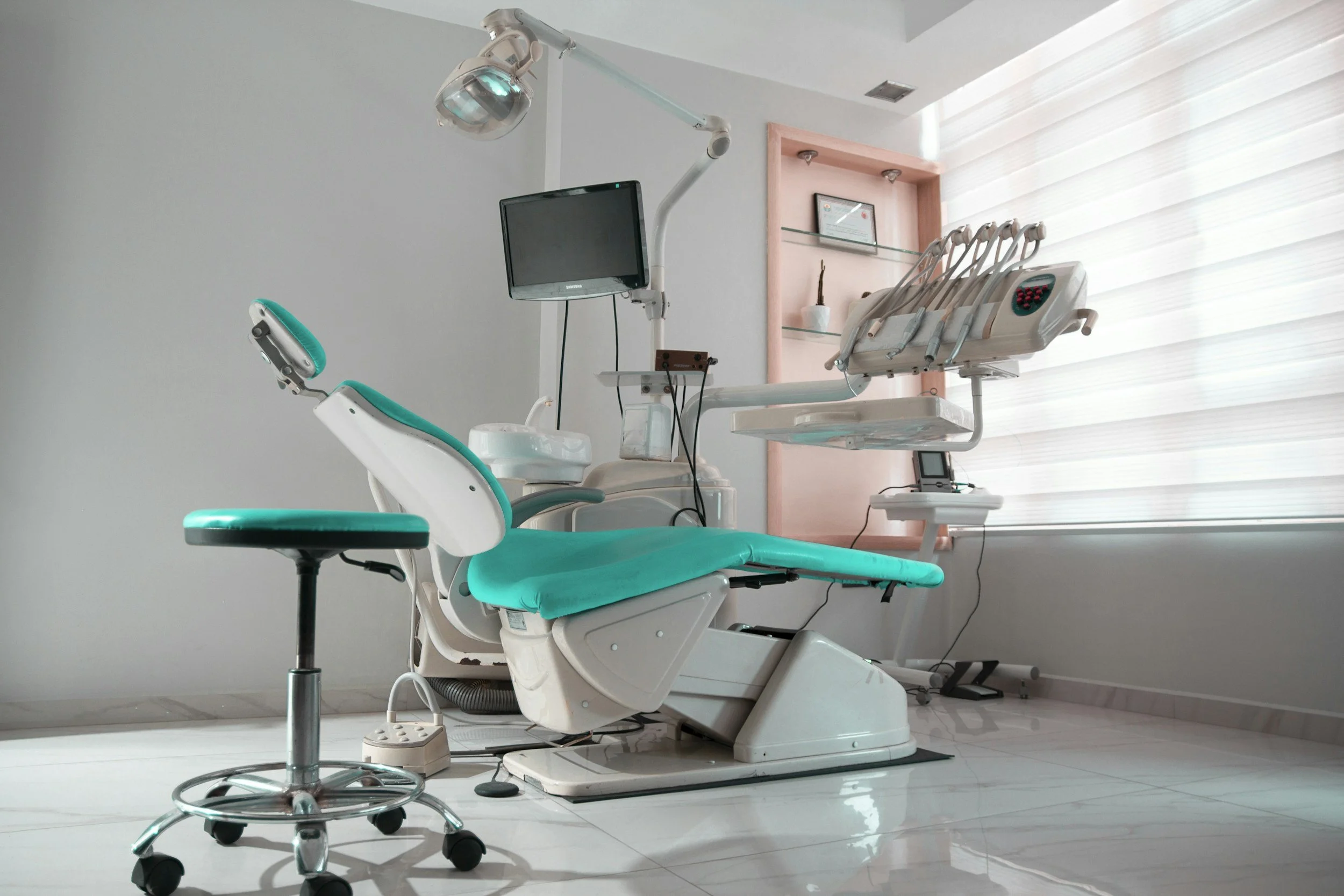
Dental Implants in Mississauga
Dental implants can support replacement teeth when one, several or a complete arch of teeth is missing.
Dentistry on Britannia provides dental implant consultations, treatment planning and implant-related dental care at 2258 Britannia Road West in Mississauga. Your options depend on your oral health, medical history, bone support, bite and number of missing teeth.
What Is a Dental Implant?
A dental implant is a component placed in the jaw to support a replacement tooth or dental restoration.
A complete implant restoration may include an implant in the jaw, a connecting component and a visible crown, bridge or denture restoration.
Planning begins with the missing-tooth problem, the condition of the gums and bone, nearby teeth, bite forces and the type of final restoration being considered.
Implant treatment also requires long-term cleaning and professional monitoring after the visible restoration is completed.
- Implant positioned in the jaw
- Connecting component or abutment
- Single implant crown
- Implant-supported bridge
- Implant-supported denture
- Fixed full-arch restoration
Implant treatment involves a surgical procedure and commonly includes multiple planning, healing, restorative and maintenance stages.
Options for one, several or a complete arch of missing teeth
The appropriate design depends on the number and position of missing teeth, bone support, remaining natural teeth, bite forces, restorative space, cleaning requirements and treatment complexity.
Single-Tooth Dental Implant
A single implant and implant crown may be considered when one permanent tooth is missing.
- Location of the missing tooth
- Space between neighbouring teeth
- Available bone and gum condition
- Bite pressure
- Condition of nearby teeth
- Appearance and cleaning requirements
A single implant may replace the missing tooth without preparing neighbouring teeth as the main support for a conventional bridge.
Multiple-Tooth Dental Implants
Several missing teeth may be replaced using separate implant crowns, an implant-supported bridge, a removable implant-supported restoration or another clinically appropriate design.
- Number and position of missing teeth
- Remaining natural teeth
- Bone support and bite forces
- Available restorative space
- Type of final restoration
- Cleaning and maintenance requirements
The number of implants does not necessarily equal the number of missing teeth.
Implant-Supported Bridge
An implant-supported bridge replaces multiple neighbouring teeth using implants to support a connected restoration.
- Several adjacent teeth are missing
- A fixed restoration is being considered
- Natural teeth are not the main supports
- Bone and oral-health findings permit treatment
- The completed bridge can be cleaned effectively
Implant position and bridge design must be planned together.
Implant-Supported Denture
Dental implants may provide additional support or retention for certain removable or fixed denture restorations.
- Removable by the patient or fixed
- Upper or lower arch treatment
- Full-arch or selected missing teeth
- Existing denture and bone condition
- Number and position of implants
- Bite, cleaning ability and expectations
Conventional dentures remain a separate restorative option.
Full-Arch Dental Implant Treatment
Full-arch treatment replaces a complete upper or lower arch with a restoration supported by multiple implants.
- Assessment of remaining teeth
- Diagnostic and implant-position planning
- Temporary tooth-replacement planning
- Implant placement and healing
- Final restoration
- Long-term maintenance
Full-arch implant treatment is complex and does not follow one standard process.
Existing Dental Implant Assessment
Dentistry on Britannia can assess concerns involving an existing implant or implant restoration.
- Loose implant crown or bridge movement
- Denture attachment no longer holding
- Chipped or worn replacement tooth
- Pain, bleeding or gum swelling
- Food trapping or cleaning difficulty
- Unusual taste or bite change
Movement of the visible restoration does not automatically mean the implant itself is loose. Do not tighten or glue components at home.
Start with the missing-tooth problem, not a predetermined procedure
You do not need to decide on a specific implant treatment before booking. The consultation is used to review possible options, preliminary care, alternatives, treatment stages and estimated costs.
Suitability depends on more than age
- Gum health and available bone
- Condition of neighbouring teeth
- Bite forces
- Oral hygiene
- Medical history and medications
- Smoking or nicotine use
- Previous treatment and tooth-loss history
- Ability to attend follow-up visits
- Ability to maintain the restoration
- Treatment expectations
Existing decay, active gum disease, infection or other oral-health concerns may require treatment before implant care begins.
Complex planning must be confirmed before treatment
Some patients require removal of a damaged tooth, infection treatment, gum treatment, bone assessment, bite management, temporary tooth replacement, specialist assessment or medical consultation.
Additional treatment or referral may be recommended when the implant area requires more complex surgical or restorative planning.
What Happens During an Implant Consultation?
A consultation reviews the missing-tooth concern, health information, oral findings, diagnostic needs, reasonable alternatives, treatment stages and estimated costs.
Discuss Missing Teeth
The dental team asks which teeth are missing, when they were lost, whether pain or infection is present, whether you use a denture or bridge and what concerns you want addressed.
Review Health Information
Medical conditions, medications, smoking or nicotine use, healing history, previous surgery, gum disease, anxiety and previous complications may affect planning.
Examine the Mouth
The dentist may assess missing-tooth spaces, gums, remaining teeth, bite, restorations, dentures, oral hygiene and available restorative space.
Review Diagnostics
Dental images or other records may be recommended to assess bone support, nearby teeth, anatomical structures, infection, restoration space and previous implant treatment.
Compare Options
The dentist may compare implants, conventional bridges, partial dentures, complete dentures, no immediate replacement or maintaining an existing tooth where reasonable.
Review Stages and Costs
The discussion covers proposed stages, provider involvement, expected appointments, healing requirements, final restoration, maintenance, estimated costs and insurance limitations.
A consultation does not guarantee implant eligibility
The recommendation depends on the clinical findings, diagnostic information, health factors, treatment complexity and ability to maintain the planned restoration.
Implant placement and the visible restoration are separate stages
The implant is positioned in relation to the planned replacement tooth. After the treating provider considers the implant ready, the restorative phase may involve a crown, bridge, denture or full-arch restoration.
Implant treatment does not end when the replacement tooth is placed. Professional monitoring and effective daily cleaning remain necessary.
A staged process based on individual findings
The sequence and duration vary according to oral health, treatment complexity, implant stability, healing, preliminary procedures and the final restoration.
Treatment Planning
The dentist reviews clinical findings, diagnostic records and the planned final restoration. Placement should be planned in relation to the replacement tooth.
Oral-Health Preparation
Cavities, gum disease, infection, damaged teeth, poorly fitting dental appliances or other concerns may require treatment first.
Implant Placement
The implant is positioned according to the treatment plan. The clinic should explain whether placement is completed in-office, by another provider or through coordinated referral.
Healing and Monitoring
Healing depends on bone response, implant stability, treatment location, medical factors, preliminary procedures, oral hygiene and nicotine exposure.
Implant Restoration
When the treating provider considers the implant ready, the restorative phase may involve an implant crown, bridge, denture or full-arch restoration.
Long-Term Maintenance
Professional monitoring and daily cleaning continue after the visible restoration is placed.
Why one standard implant timeline should not be promised
Healing and treatment duration depend on individual biological response, implant stability, treatment location, medical factors, preliminary procedures, oral hygiene and other clinical considerations.
Another option for replacing missing teeth
- Replace one or more missing teeth
- Support a fixed or removable restoration
- Reduce reliance on neighbouring teeth in selected designs
- Improve retention of some dentures
- Restore a chewing surface
- Fill a visible missing-tooth space
- Provide an option alongside bridges and dentures
Results vary. Implants should not be described as identical to natural teeth or as a guaranteed permanent replacement.
Treatment requires informed consent and maintenance
- Implant treatment involves surgery
- Not every patient is suitable
- Healing varies and multiple appointments may be required
- Additional procedures or referral may be needed
- The implant may not integrate as intended
- Gum or bone problems can develop
- Components may loosen or fracture
- Restorations may wear or require replacement
- Long-term maintenance is necessary
- Treatment success cannot be guaranteed
Compare treatment time, maintenance, cost and prognosis
The correct option depends on oral health, treatment goals, prognosis, cost, maintenance requirements and patient priorities.
Conventional Dental Bridge
A bridge may replace a missing tooth using neighbouring teeth or another support system when clinically appropriate.
Suitability depends on the condition of the supporting teeth, bite, missing-tooth space and cleaning requirements.
Partial Denture
A removable partial denture replaces some missing teeth and may be considered as a non-implant option.
It can be removed for cleaning and may be appropriate when several teeth are missing or fixed treatment is not preferred.
Complete Denture
A complete denture replaces a full arch of missing teeth without implant support.
Explore Conventional Dentures →Maintain the Tooth or Delay Replacement
Root canal treatment, a crown, another restorative option or selected monitoring may be appropriate depending on the tooth and bite.
Learn About Root Canal Treatment →Implant costs, private insurance and CDCP exclusions
Dental implant treatment cannot be represented accurately by one universal price. A detailed estimate should separate planning, placement, components, restoration, additional treatment and maintenance.
Dental Implant Costs
Cost may depend on consultation, diagnostic records, number of missing teeth and implants, location, surgical complexity, tooth removal, preliminary treatment, temporary replacement, connecting components, final restoration, laboratory work, visits, referral fees and maintenance.
Ask for an estimate that separates diagnostic planning, implant placement, connecting components, temporary restoration, final restoration, additional procedures and follow-up care.
Request a Dental Implant Estimate →Direct Insurance Billing
Dentistry on Britannia provides direct insurance billing for eligible claims. Implant coverage varies significantly between private benefit plans.
- Implant placement coverage
- Implant crown or bridge coverage
- Implant-supported denture coverage
- Alternative-benefit clauses
- Predetermination requirements
- Annual maximum and patient balance
Direct billing does not guarantee approval or payment. Patients remain responsible for unpaid amounts.
Ask About Implant Insurance Coverage →CDCP Does Not Cover Dental Implants
Dentistry on Britannia accepts CDCP for eligible covered dental services. Dental implants, implant-supported restorations and implant-related procedures are not currently covered by CDCP.
- Implant-supported crowns are excluded
- Implant-supported complete or partial dentures are excluded
- All implant-related procedures are excluded
- These exclusions are not eligible for reconsideration
The clinic’s confirmed CDCP fee policy does not mean implant treatment is free or covered.
Review CDCP InformationClean and monitor the restoration and surrounding tissues
Implants do not develop cavities in the same way as natural teeth, but the gums, bone, connecting components and restoration can develop problems.
- Brush around implant restorations
- Clean between the implant and neighbouring teeth
- Clean beneath implant-supported bridges
- Clean implant-supported dentures
- Use recommended cleaning aids
- Attend professional hygiene appointments
- Have gum health assessed
- Have the bite checked
- Monitor restorative wear
- Have loose components evaluated
Arrange an implant assessment
Contact the clinic if you notice movement, pain, bleeding, gum swelling, drainage, persistent bad taste, difficulty chewing, a chipped implant crown, a loose restoration, food trapping, cleaning difficulty, a weak denture attachment or a bite change.
When urgent care may be required
- Significant swelling
- Uncontrolled bleeding
- Major dental trauma
- Difficulty breathing
- Difficulty swallowing
Severe symptoms may require urgent dental assessment or hospital care depending on the situation.
Find the appropriate next service
Dental implant questions answered
A dental implant is placed in the jaw to support a replacement tooth or dental restoration.
Yes. Dentistry on Britannia confirms dental implants among its services. A consultation is required before a specific treatment can be recommended.
A single implant and implant crown may replace one missing tooth when the treatment area and oral-health findings are suitable.
Multiple missing teeth may be replaced using separate implant restorations or an implant-supported bridge.
Dental implants may provide support or retention for certain removable or fixed denture restorations.
The implant provides support in the jaw. The implant crown is the visible replacement tooth attached through a connecting component.
Suitability depends on gum health, bone support, bite, medical history, medications, oral hygiene and other clinical factors.
Not every patient requires bone-development treatment. Diagnostic assessment is needed, and the clinic should explain whether any recommended procedure is completed in-house or through referral.
Treatment duration varies based on healing, complexity, preliminary treatment and the final restoration. There is no reliable universal timeline.
No dental treatment should be described as permanent. Implants and restorations can require maintenance, repair or replacement.
Implant surgery should not be described as painless. Anaesthetic and comfort-management options should be discussed with the treating provider.
Yes. Implant restorations and surrounding tissues require daily cleaning and professional monitoring.
Yes. Implant crowns and connecting components can loosen or become damaged.
Some restorative components may be repaired or replaced. Problems involving the implant or surrounding bone may require different treatment or referral.
Coverage depends on the individual plan. Some policies exclude implants, cover only selected components or apply an alternative benefit.
No. Dental implants, implant-supported restorations and implant-related procedures are excluded from CDCP coverage.
Cost depends on the number of implants, restoration type, diagnostic work, complexity, preliminary treatment, laboratory work and insurance.
Yes. Conventional partial or complete dentures may be considered as non-implant tooth-replacement options.
A conventional bridge may be an option in selected cases when the supporting teeth and treatment goals make it appropriate.
Yes. Dentistry on Britannia lists Saturday and Sunday hours from 8:00 a.m. to 5:00 p.m.
Discuss replacement of one, several or a complete arch of missing teeth
New patients are welcome. Direct insurance billing is available for eligible claims.
Implant suitability, treatment stages, timelines, referrals and costs depend on individual assessment.
Dentistry on Britannia
- Address:
2258 Britannia Road West, Mississauga, Ontario L5M 2G8 - Phone:
(905) 821-8632 - Email:
dentistrybritannia@gmail.com - Monday to Thursday: 7:00 a.m.–7:00 p.m.
- Friday: 7:00 a.m.–5:00 p.m.
- Saturday and Sunday: 8:00 a.m.–5:00 p.m.