
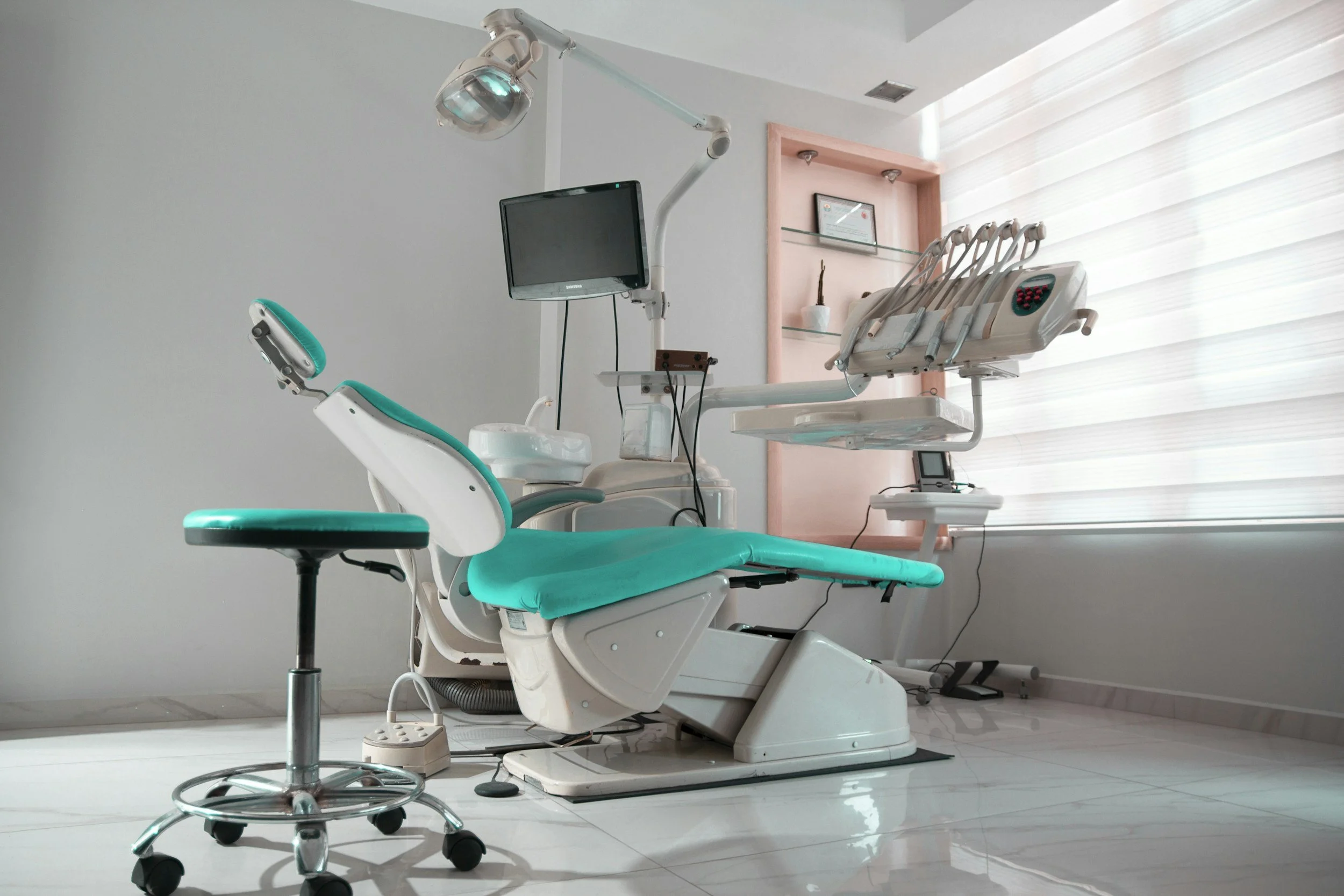
Root Canal Treatment in Mississauga
Root canal treatment addresses inflamed, infected or damaged tissue inside a natural tooth.
Dentistry on Britannia provides root-canal assessments and treatment at 2258 Britannia Road West in Mississauga. The dentist must first determine whether the tooth can reasonably be restored and whether root canal treatment, another restorative procedure, extraction or specialist referral is appropriate.
What Is Root Canal Treatment?
Root canal treatment is an endodontic procedure used to treat inflamed, infected or damaged tissue inside a natural tooth.
The dentist evaluates the pulp, roots, remaining structure, gum and bone support, existing restorations and final-restoration needs.
- Create access to the inside of the tooth
- Remove affected pulp tissue
- Clean and shape the canals
- Disinfect the internal space
- Fill and seal the canals
- Place a temporary or permanent restoration
- Plan a crown when clinically required
- Monitor healing and symptoms
The root canal procedure and the final restoration are separate parts of treatment.
Internal tooth tissue can be affected in different ways
A deep cavity does not automatically mean root canal treatment is required. Diagnosis depends on symptoms, testing, images and restorability.
Possible Causes
Root canal treatment may be considered when the dental pulp is significantly inflamed, infected, injured or no longer healthy.
- Deep tooth decay
- A cracked or fractured tooth
- Dental trauma
- A large existing filling
- Repeated treatment on the same tooth
- Leakage around an existing restoration
- Damage beneath a crown
- Internal tooth infection
- Previous incomplete root canal treatment
What the Dentist Must Assess
The recommendation is based on the condition of the entire tooth and its supporting tissues.
- Symptoms and pain pattern
- Remaining tooth structure
- Pulp and root condition
- Gum and bone support
- Existing fillings or crowns
- Dental-image findings
- Cracks and fractures
- Previous treatment
- Whether the tooth can be restored afterward
Symptoms do not confirm the diagnosis
Similar symptoms may be caused by a cavity, cracked filling, gum recession, grinding, gum disease, sinus pressure, bite problems or another condition.
When should you seek prompt care?
- Pain is severe or rapidly worsening
- Swelling is increasing
- Fever or general illness is present
- The face or jaw is swollen
- The tooth has been injured
- The tooth is difficult to bite on
- Drainage or persistent unpleasant taste is present
- Pain prevents normal eating or sleeping
Call 911 or seek hospital emergency care when swelling affects breathing, swallowing or speaking, major facial trauma has occurred, bleeding cannot be controlled or the patient is medically unstable.
Call About Urgent Tooth PainFilling, root canal treatment or extraction?
These treatments address different levels of damage and different parts of the tooth.
Dental Filling
A filling may be appropriate when decay or damage is limited, the pulp remains healthy or can recover, and enough structure remains.
Learn About Dental Fillings →Root Canal Treatment
May be considered when the pulp is significantly inflamed, infected or injured and the tooth has a reasonable restorative prognosis.
Tooth Extraction
May be considered when a fracture is too deep, too little healthy structure remains, support is inadequate or restoration is unreasonable.
Explore Tooth-Replacement Options →Why symptoms alone cannot determine treatment
Clinical examination, diagnostic tests, dental images and assessment of restorability are necessary before choosing a filling, root canal treatment, extraction, monitoring or another option.
What happens before treatment is recommended?
The assessment reviews symptoms, health information, tooth structure, diagnostic tests, images, alternatives, final restoration and coverage.
Discuss Symptoms
Which tooth hurts, when symptoms began, triggers, duration, swelling, trauma and previous treatment.
Review Dental and Medical History
Medications, allergies, health conditions, prior treatment, complications, anxiety and pregnancy where relevant.
Clinical Examination
Tooth structure, restorations, gums, swelling, mobility, bite pressure, sensitivity and nearby teeth.
Diagnostic Tests
Temperature response, pressure, tapping, biting and comparison with nearby teeth.
Dental Images
Roots, surrounding bone, infection, previous treatment, deep decay, restorations, anatomy and restorability.
Treatment Discussion
Findings, options, referral needs, stages, final restoration, risks, limitations, costs and coverage.
The pulp chamber and root canals require internal treatment
A natural tooth contains dental pulp, including nerves, blood vessels and connective tissue. The pulp chamber connects to narrow canals inside the roots.
Root canal treatment addresses internal tissue. A crown or filling restores the visible tooth structure afterward.
What happens during root canal treatment?
The exact process depends on the tooth, canal anatomy, infection, previous treatment, patient comfort and clinical findings.
Local Anaesthetic
May be used to reduce sensation. Pressure, vibration, jaw fatigue or temporary tenderness may still occur.
Tooth Isolation
Helps maintain a controlled treatment area and reduce contamination.
Access Opening
Created through the tooth or existing restoration to reach the pulp chamber.
Remove Affected Tissue
Inflamed, infected or damaged tissue is removed from the tooth and canals.
Clean and Shape
Canals are prepared for disinfection and filling. Anatomy can be narrow, curved or calcified.
Disinfection
The internal space is treated according to the clinical protocol.
Fill and Seal
The prepared canals are filled and sealed.
Temporary or Permanent Restoration
The access opening may be closed with a temporary filling, permanent filling, core or another restoration.
Final Restoration and Follow-Up
The dentist reviews symptoms, healing and remaining tooth structure, then completes or plans the final restoration such as a filling or crown when clinically required.
How many appointments are required?
There is no universal appointment number. One or multiple visits may be needed depending on tooth type, canal anatomy, infection, swelling, previous treatment, medication inside the tooth, comfort, referral and final-restoration planning.
Will You Need a Crown Afterward?
Some root-canal-treated teeth require a crown, while others may be restored differently.
- Significant tooth structure has been lost
- The tooth has a large filling
- The tooth is cracked or weakened
- Several surfaces are affected
- The tooth carries substantial chewing pressure
- A direct filling would not provide adequate restoration
The recommendation depends on tooth location, remaining structure, bite forces, restorations, root condition, gum and bone support and the long-term plan.
Learn About Dental Crowns →Temporary Filling Between Appointments
A temporary filling may be used when treatment requires another visit, monitoring is needed, a permanent restoration cannot yet be completed or a crown is planned.
- Contact the clinic if it falls out
- Report breakage or looseness
- Report sharp edges
- Report significant biting discomfort
- Report swelling or food collecting in the tooth
- Do not repair it with household materials
After Treatment
Temporary tenderness when biting, gum tenderness, jaw fatigue, awareness of the temporary restoration or mild injection-site discomfort may occur.
Contact the clinic if pain worsens, swelling or fever develops, the filling breaks, the bite feels high, symptoms return or drainage develops.
Eating After Treatment
- Avoid chewing while numb
- Do not bite the cheek, lip or tongue
- Avoid hard foods on a temporary restoration
- Chew on the opposite side when instructed
- Attend the final-restoration appointment
- Do not repeatedly test the tooth
Do Antibiotics Replace Treatment?
No. Antibiotics do not remove damaged pulp or infected tissue from inside a tooth.
They may be used in selected cases involving spreading infection or systemic symptoms, but they do not automatically remove the need for dental treatment.
When May an Endodontist Be Recommended?
Some complex cases may require coordinated assessment or treatment by an endodontist.
- Complex or unusual canal anatomy
- Canals are difficult to locate
- A tooth has unusual roots
- Previous treatment requires reassessment
- An obstruction complicates treatment
- A fracture is suspected
- Symptoms continue without a clear diagnosis
- Surgical endodontic treatment may be considered
- The dentist believes specialist care is appropriate
Root Canal Retreatment
A previously treated tooth may sometimes develop new symptoms or infection.
- Untreated canal anatomy
- Leakage around the final restoration
- New decay
- A broken filling or crown
- Tooth fracture
- Contamination before final restoration
- Complex internal anatomy
- Another dental condition
Recommendations may include monitoring, restoration repair, retreatment, referral, surgery, extraction or another option.
Root canal treatment cannot be guaranteed
Potential complications include persistent infection, continued pain, difficult anatomy, inability to treat all canals, instrument complications, tooth fracture, restoration leakage, new decay, loss of the temporary restoration, retreatment, specialist care or eventual extraction.
The dentist should explain risks relevant to the individual tooth before treatment.
Complete the restoration and continue preventive care
A root-canal-treated tooth can still develop decay, restoration problems, fracture or gum concerns.
- Follow the dentist’s instructions
- Attend all scheduled appointments
- Complete the permanent restoration
- Brush regularly
- Clean between teeth
- Avoid biting hard objects
- Do not use teeth to open packaging
- Report bite changes
- Discuss grinding or clenching
- Attend recommended examinations
- Report new pain, swelling or looseness
- Have damaged restorations assessed
Root canal treatment questions answered
Root canal treatment removes inflamed, infected or damaged tissue from inside a tooth. The internal canals are then cleaned, filled and sealed.
Significant pain, prolonged temperature sensitivity, biting pain, swelling or a darkened tooth may require assessment. Symptoms alone cannot confirm the diagnosis.
No. Pain can be caused by cavities, cracked fillings, gum recession, bite problems, grinding and other conditions.
A filling may be appropriate when decay is limited and the pulp remains healthy. Root canal treatment may be considered when the internal pulp is significantly affected.
Local anaesthetic may be used, but treatment should not be described as painless. Pressure, vibration and temporary tenderness can occur.
Treatment may require one or more appointments depending on the tooth, anatomy, infection, previous treatment and final restoration.
Treatment time varies. Molars and teeth with complex anatomy may require more time than simpler teeth.
No immediate result can be guaranteed. The original pain may improve, but temporary tenderness can occur after treatment.
Antibiotics are not required for every root canal. The dentist determines whether they are appropriate based on symptoms and clinical findings.
Some teeth require crowns, while others may be restored differently. The recommendation depends on tooth location, remaining structure and bite forces.
A tooth with an incomplete final restoration may remain vulnerable to leakage or fracture. Complete the restoration recommended by the dentist.
Yes. New decay, restoration leakage, untreated anatomy or tooth fracture may cause further problems.
Yes. No dental treatment can be guaranteed. Retreatment, specialist care or extraction may occasionally be required.
Retreatment involves reopening a previously treated tooth to assess and treat a continuing or new internal problem.
Complex anatomy, previous treatment, persistent symptoms or difficult diagnosis may lead to referral to an endodontist.
Initial fees may differ, but a fair comparison should include possible tooth replacement after extraction. Treatment should be selected according to clinical needs, prognosis and patient priorities.
Many plans provide some endodontic coverage, but deductibles, annual limits, tooth restrictions and reimbursement amounts vary.
Standard root canal treatment may be covered on eligible teeth when current clinical and program requirements are met.
Standard treatment on most anterior teeth, premolars and first or second molars generally does not require preauthorization. Retreatment, apicoectomy, retrofilling and third-molar treatment require preauthorization.
Cost depends on the tooth, number and complexity of canals, previous treatment, number of appointments and final restoration.
Yes. The clinic lists Saturday and Sunday hours from 8:00 a.m. to 5:00 p.m.