
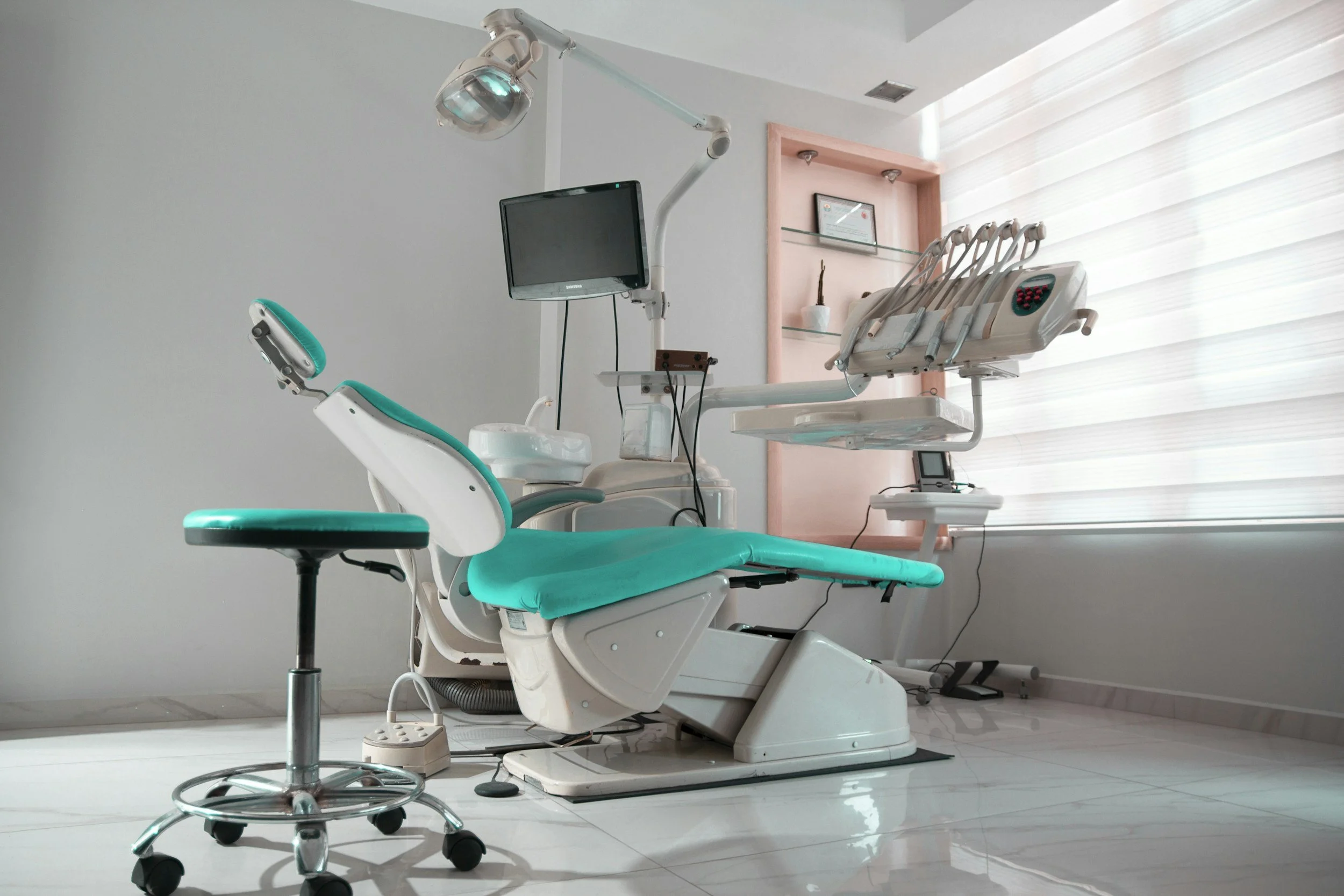
Professional Teeth Whitening in Mississauga
Dentistry on Britannia provides ZOOM! in-office professional teeth whitening at 2258 Britannia Road West in Mississauga.
Professional whitening may reduce certain stains and discolouration affecting natural teeth. Suitability and results depend on your oral health, natural tooth colour, type of staining, tooth sensitivity and existing dental restorations.
What Is Professional Teeth Whitening?
Professional teeth whitening is a cosmetic dental treatment intended to lighten certain discolouration affecting natural teeth.
A dental assessment may be needed to confirm whether whitening is appropriate and whether cavities, gum problems, cracks or damaged restorations require treatment first.
The dentist also considers the type of discolouration, existing crowns or fillings, sensitivity history and whether cleaning should be completed before whitening.
Whitening results vary, and treatment cannot guarantee a particular shade or a permanent colour change.
- Lightens certain natural-tooth discolouration
- Different from professional cleaning
- Different from polishing and whitening toothpaste
- Does not repair chips or cavities
- Does not straighten teeth
- Does not whiten crowns, fillings or veneers
Whitening suitability and results depend on oral health, natural tooth colour, stain type, sensitivity and existing restorations.
Professional whitening completed in the dental office
ZOOM! is a professional whitening system used in a dental-office setting. Treatment may include soft-tissue protection, professional whitening material, use of the ZOOM! light according to the treatment protocol, shade review and sensitivity guidance.
Manufacturer performance figures should not be treated as a guaranteed result for an individual patient.
Book a ZOOM! Whitening AssessmentWho may consider professional teeth whitening?
An assessment does not guarantee that whitening will be recommended. The dentist must determine the cause of discolouration and whether treatment is appropriate.
Whitening May Be Considered When
- Natural teeth appear darker than before
- Coffee, tea or red-wine staining is present
- Tobacco-related staining is present
- Teeth have gradually yellowed with age
- You are considering whitening for an event
- Store-bought products did not meet expectations
- You want professional guidance before whitening
- You have sensitive teeth
- You have visible crowns or fillings
- You are unsure whether cleaning or whitening is appropriate
Whitening May Need to Be Postponed
- Untreated cavities
- A cracked tooth
- Significant tooth sensitivity
- Active gum inflammation
- Dental infection
- Loose or damaged fillings
- A leaking restoration
- Exposed tooth surfaces
- Significant gum recession
- Another condition affecting treatment suitability
Different stain types respond differently
Professional cleaning may reduce some external deposits, while whitening may be considered when a broader natural-tooth colour change is desired.
A single dark tooth should be examined first
Possible causes may include previous trauma, internal tooth damage, previous root canal treatment, an existing restoration, developmental differences or another dental condition.
Standard whole-mouth whitening may not correct one dark tooth evenly. The cause should be diagnosed before treatment is selected.
What Teeth Whitening Can and Cannot Change
Whitening may alter certain natural-tooth discolouration, but it does not change tooth shape, position, dental health or the colour of most restorations.
Natural Tooth Structure
Whitening may change the colour of natural enamel and dentin depending on starting colour, stain type, tooth condition, previous whitening, lifestyle and individual response.
Shape, Position or Disease
Whitening does not lengthen teeth, close spaces, repair chips, straighten crowded teeth, replace missing teeth, change the bite, treat cavities, treat gum disease or resolve infection.
Dental Restorations
Fillings, crowns, veneers, bridges, denture teeth, implant crowns and cosmetic bonding generally retain their existing colour and may look different after natural teeth are whitened.
Learn About Dental Crowns →What Happens Before Whitening?
The assessment reviews your goals, oral health, stain type, sensitivity, restorations, realistic limitations, cost and scheduling.
Discuss Your Goals
The dentist may ask what concerns you about tooth colour, whether one or several teeth are affected, previous whitening, sensitivity, upcoming events and expected results.
Review Dental and Medical Information
The dental team may review dental history, cosmetic treatment, restorations, medications, relevant health conditions, pregnancy or nursing status and previous reactions.
Examine Teeth and Gums
The dentist may check tooth colour, staining, cavities, cracks, gums, recession, restorations, sensitivity, exposed surfaces and individual dark teeth.
Discuss Limitations
The dentist should explain which teeth may respond, which restorations will not change colour, possible sensitivity and whether cleaning or other treatment is needed first.
Review Whitening Options
The dental team can explain whether in-office ZOOM! whitening is appropriate, whether treatment should be delayed and what alternatives may be reasonable for teeth or restorations that will not respond.
Plan Timing and Aftercare
The visit may also cover appointment timing, sensitivity management, oral-hygiene needs, stain exposure, future dental work and maintenance expectations after whitening.
What Happens During ZOOM! Whitening?
The exact treatment time, number of cycles and protocol should be confirmed by the clinic. Treatment may be modified or shortened based on sensitivity and clinical judgment.
Pre-Treatment Review
The dental team confirms there has been no important change in oral health or medical information.
Starting-Shade Record
The existing shade may be recorded as a comparison tool. It is not a guaranteed outcome.
Soft-Tissue Protection
The lips, cheeks and gums are protected according to the whitening protocol.
Material Application
Professional whitening material is applied to selected natural teeth.
ZOOM! Light Cycles
The ZOOM! light may be used with the whitening material according to manufacturer and clinician instructions.
Removal and Reapplication
The material may be removed and reapplied through several cycles where appropriate.
Final Review
The team may review shade change, check the gums, discuss sensitivity and provide aftercare and maintenance guidance.
Sensitivity Guidance
If sensitivity occurs, the dental team may recommend appropriate products, timing changes or other measures based on the patient’s response and oral-health findings.
Maintenance Planning
The team may discuss oral hygiene, future stain exposure, professional cleaning and when another whitening assessment may be reasonable rather than promising a fixed maintenance schedule.
Why exact shade improvement and appointment duration should not be promised
Results and treatment tolerance vary according to starting colour, stain type, enamel condition, existing restorations, age, previous whitening and individual response.
Can Whitening Cause Sensitivity?
Some patients experience little discomfort, while others may develop temporary sensitivity, brief sharp sensations, gum irritation, lip or cheek irritation or temperature sensitivity.
Tell the clinic about sensitive teeth, exposed roots, gum recession, previous whitening sensitivity, cracked teeth, large restorations or prolonged sensitivity.
How White Will Teeth Become?
No clinic can guarantee one result for every patient. Starting colour, stain type, enamel condition, age, previous whitening, restorations, treatment tolerance and individual response all affect the result.
A fixed number of shades, perfectly white result or complete stain removal should not be promised.
How Long Do Results Last?
Whitening results are not permanent. Teeth may gradually darken again because of coffee, tea, red wine, tobacco, coloured foods, ageing, oral-hygiene habits and individual tooth characteristics.
There is no reliable universal duration.
Maintain oral health and manage stain exposure
Follow the instructions provided by the dental team. Do not repeat whitening treatment without professional guidance.
- Continue brushing and cleaning between teeth
- Avoid tobacco
- Limit heavily coloured foods and drinks when advised
- Rinse with water after stain-producing drinks
- Use sensitivity products only as recommended
- Do not repeat whitening without guidance
- Report severe or persistent sensitivity
- Attend dental assessments and hygiene visits
- Follow the clinic’s specific aftercare instructions
- Avoid unnecessary restrictive diets without clinical advice
These are different services
Teeth Cleaning
Professional cleaning removes plaque, tartar, certain external deposits and some surface staining.
Teeth Whitening
Whitening is intended to alter the colour of natural tooth structure.
Cleaning may be recommended before whitening so the dentist can better assess the underlying tooth colour.
Learn About Teeth Cleaning →Assessment and supervision matter
In-office whitening may include professional assessment, controlled material application, gum protection, treatment monitoring, sensitivity management and a structured protocol.
Store-bought products may include whitening toothpaste, strips, gels, rinses or generic trays, but they do not diagnose the cause of discolouration or determine whether whitening is appropriate.
Dentist-supervised take-home whitening is a separate treatment method and should only be advertised if the clinic confirms it is provided.
Do not use whitening to hide untreated dental problems
Professional whitening should only proceed after considering oral health and following the selected system’s clinical instructions.
- Tooth sensitivity
- Gum irritation
- Uneven colour
- Mismatch with restorations
- Inappropriate treatment of a dark or damaged tooth
- Excessive or repeated use
- Poorly fitting over-the-counter trays
- Abrasive or corrosive home remedies
Do not use household or unapproved chemicals
- Household bleach
- Undiluted peroxide
- Acidic substances
- Unapproved online chemicals
- Abrasive charcoal powders
- Any product used contrary to its instructions
Teeth whitening before braces or Invisalign
Before or During Braces
Brackets cover part of the tooth surface. Whitening during fixed-braces treatment may create uneven colour.
The dentist may recommend delaying whitening until brackets are removed and the teeth and gums can be assessed more evenly.
Learn About Braces →During Clear-Aligner Treatment
Clear aligners are not automatically whitening trays. Whitening products should not be placed inside aligners unless specifically prescribed.
Whitening timing should be discussed with the treating provider so attachments, sensitivity and the orthodontic plan can be considered.
Learn About Clear Aligners →After Orthodontic Treatment
Whitening may be considered when teeth and gums are healthy, inflammation has settled and the treating provider considers the timing appropriate.
Learn About Clear Aligners →ZOOM! whitening costs, insurance and CDCP
The clinic has not supplied a confirmed public whitening price. Contact the clinic for the current fee and a clear explanation of what is included.
ZOOM! Whitening Costs
Cost may depend on assessment requirements, whitening system, clinical protocol, appointment length, whether cleaning is recommended first, sensitivity management, included maintenance products and whether another treatment is required first.
Ask whether the quote includes the dental assessment, starting-shade record, ZOOM! treatment, materials, sensitivity products, follow-up, maintenance products and any applicable fees.
Ask About ZOOM! Whitening Costs →Insurance and Direct Billing
Dentistry on Britannia provides direct insurance billing for eligible dental claims. Teeth whitening is primarily cosmetic, so many plans may exclude it.
- Professional whitening coverage
- Cosmetic assessment coverage
- Separate examination coverage
- Cleaning coverage before whitening
- Any cosmetic allowance
- Remaining patient balance
Direct billing does not guarantee reimbursement.
CDCP Does Not Cover Teeth Whitening
Dentistry on Britannia accepts CDCP for eligible covered dental services. Professional teeth whitening is cosmetic and is not covered by the CDCP.
The clinic’s confirmed CDCP fee policy does not make whitening free or covered. Patients may use CDCP for eligible examinations, cleaning or restorative services while paying privately for whitening.
Review CDCP InformationFind the appropriate cosmetic or oral-health service
Teeth-whitening questions answered
Professional whitening is a cosmetic dental treatment intended to lighten certain discolouration affecting natural teeth.
Yes. Dentistry on Britannia confirms ZOOM! in-office professional dental whitening.
Professional whitening material is applied to selected natural teeth, and the ZOOM! light may be used according to the clinical protocol. The gums and other soft tissues are protected during treatment.
Suitability depends on oral health, sensitivity, the cause of discolouration and existing restorations. A dental assessment may be required.
Staining may be related to ageing, coffee, tea, wine, tobacco, foods, medication, tooth trauma and other factors.
No. Crowns do not whiten in the same way as natural teeth.
Fillings retain their existing colour and may appear different after surrounding natural teeth are whitened.
Veneers do not respond to whitening in the same way as natural tooth structure.
Possibly, but a single dark tooth should first be examined to determine why its colour changed and which treatment may be appropriate.
Temporary sensitivity or gum irritation can occur. Treatment should not be described as painless.
The result depends on starting colour, stain type, tooth condition and individual response. A specific number of shades cannot be guaranteed.
Appointment time depends on assessment, preparation, the whitening protocol and patient tolerance. The clinic should confirm the expected schedule when booking.
No. Teeth can gradually darken again because of ageing, food, drinks, tobacco and other factors.
There is no fixed duration. Maintenance depends on individual habits, oral hygiene and future whitening recommendations.
Cleaning may be recommended when plaque, tartar or surface deposits are present. The dentist will determine whether cleaning should be completed before whitening.
Patients with sensitive teeth require assessment. Treatment may need to be modified, delayed or avoided depending on the cause and severity.
Untreated cavities should be assessed before whitening. Whitening products may aggravate sensitivity and do not treat decay.
Patients who are pregnant or nursing should inform the dentist. Treatment should only proceed when the treating dentist considers it appropriate.
Whitening is cosmetic and is often excluded, but coverage depends on the individual benefit plan.
No. Cosmetic teeth whitening is excluded from CDCP coverage.
The clinic has not supplied a confirmed public price. Contact Dentistry on Britannia for the current fee and a clear explanation of what it includes.
Yes. The clinic lists Saturday and Sunday hours from 8:00 a.m. to 5:00 p.m.
Ask whether ZOOM! in-office whitening may be suitable for your teeth
New patients are welcome. Evening and weekend appointments are available.
Treatment suitability, sensitivity, results, appointment requirements and costs depend on individual assessment.
Dentistry on Britannia
- Address:
2258 Britannia Road West, Mississauga, Ontario L5M 2G8 - Phone:
(905) 821-8632 - Email:
dentistrybritannia@gmail.com - Monday to Thursday: 7:00 a.m.–7:00 p.m.
- Friday: 7:00 a.m.–5:00 p.m.
- Saturday and Sunday: 8:00 a.m.–5:00 p.m.